Latest from Queryloop
Stay updated with our latest research findings, product developments, and insights into AI optimization
Stay updated with our latest research findings, product developments, and insights into AI optimization
Learn how we improved our approach to solving SWE-bench problems by flipping the process—making code changes first and then generating patches.
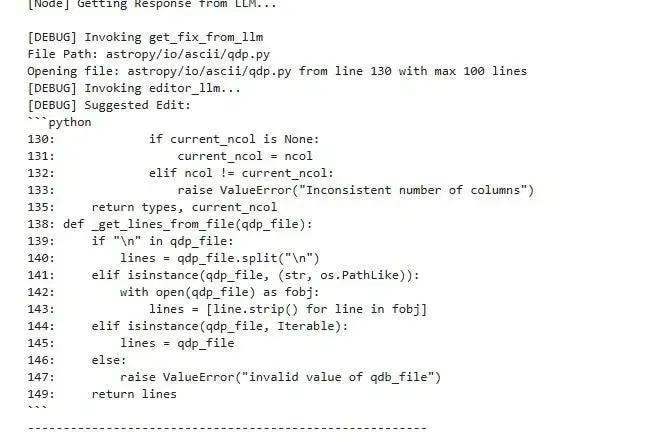
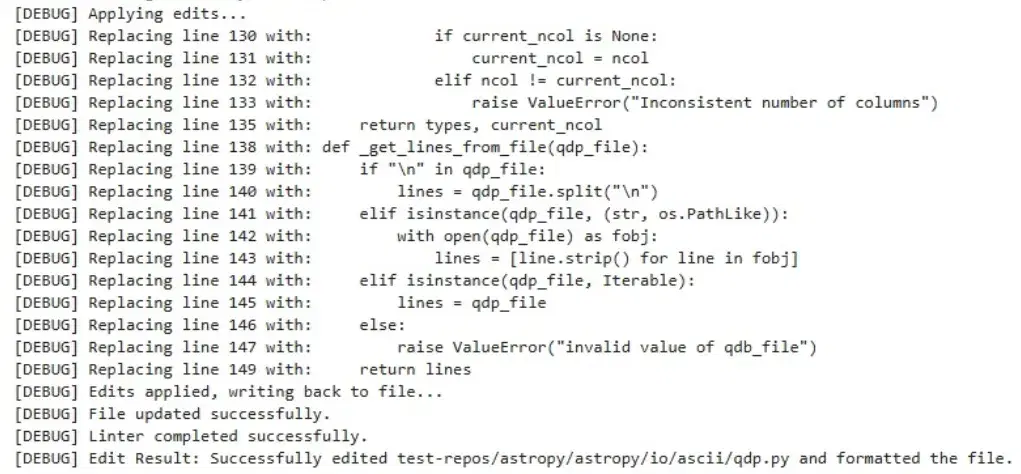
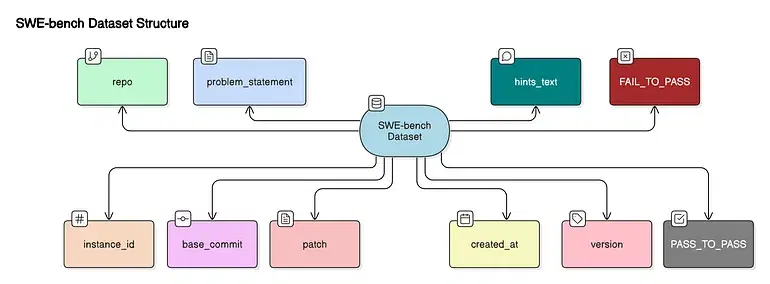
In our first attempt to solve SWE-bench problems, we ran into a lot of issues because the patches were being created before the actual fixes were applied by an LLM. This approach caused problems like inconsistent formatting and errors slipping through. So, we decided to flip the process — make the changes first and then generate the patches.
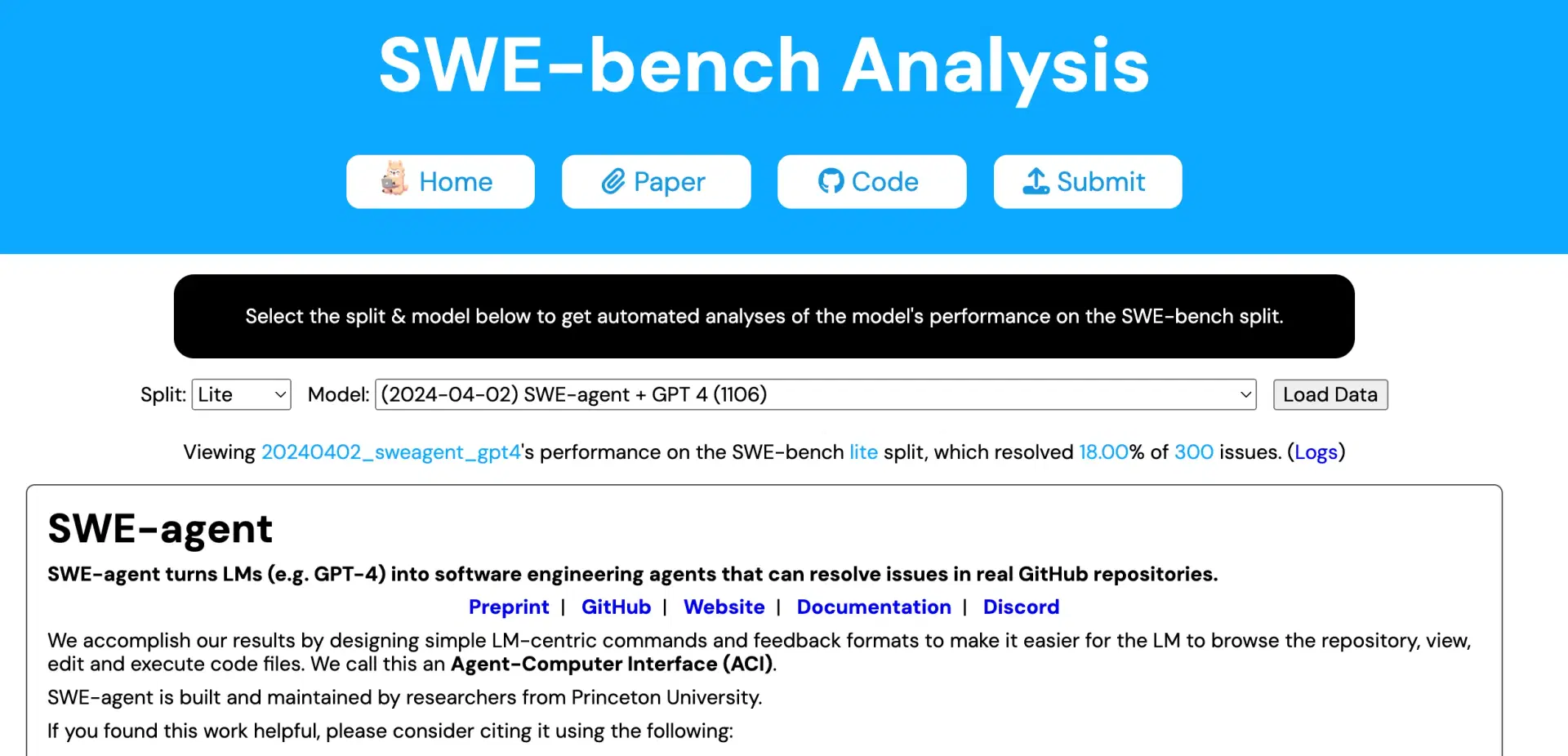
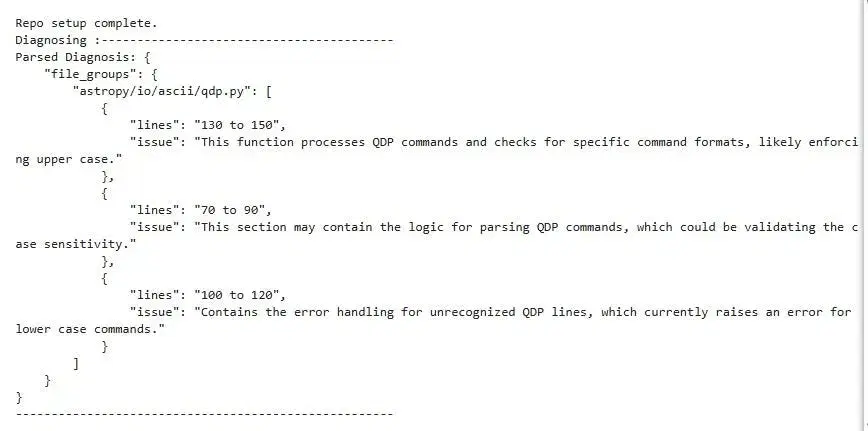
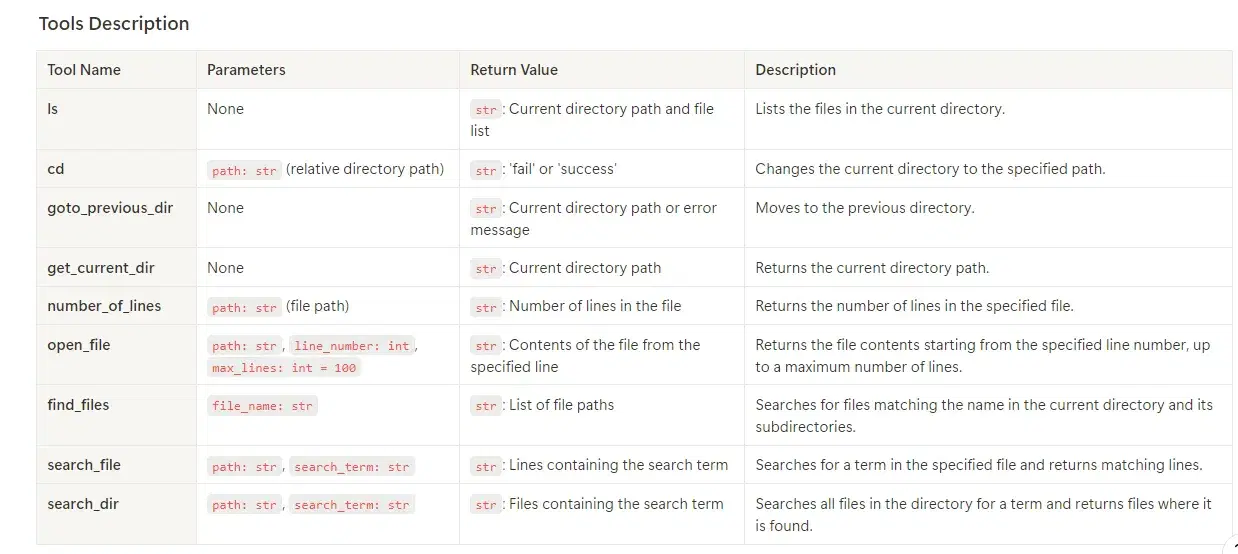
The workflow improves upon earlier methods by introducing a structured, tool-integrated pipeline. Each agent handles a specific task, leveraging GPT-4o (via LangChain) for repository navigation and diagnosis, then employing Qwen/QwQ-32B-Preview for context-aware edits. By breaking down the process into clear steps — diagnosis, code editing, edit application, patch generation, and evaluation — the system ensures minimal conflicts, fewer formatting errors, and maintains consistency across the repository.